
Business Trends & Forecast: 6629000919397, 2130160009, 917740549, 120272811, 600135211, 8339083547

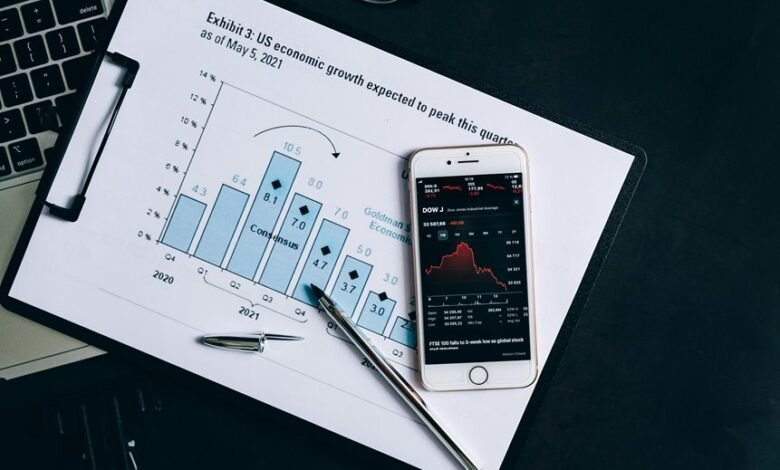
The landscape of business is undergoing significant transformation, driven by technological advancements and evolving consumer preferences. Companies are increasingly relying on artificial intelligence and data analytics for informed decision-making. Meanwhile, the demand for personalized and sustainable experiences is reshaping marketing strategies. As economic fluctuations continue to influence market dynamics, organizations must navigate these changes with strategic foresight. Understanding these trends is essential for businesses aiming to thrive in a competitive environment. What strategies will emerge as key to success?
Emerging Technology Trends Impacting Businesses
As businesses navigate an increasingly complex landscape, emerging technology trends are reshaping operational frameworks and competitive strategies.
Artificial intelligence enhances decision-making, while data analytics drives insights.


Blockchain technology ensures transparency, and cloud computing provides scalable resources.
The Internet of Things fosters connectivity, and augmented reality transforms customer engagement, enabling organizations to adapt swiftly and thrive in an environment demanding innovation and flexibility.
Shifts in Consumer Behavior and Preferences
The rapid evolution of technology has not only transformed business operations but also significantly altered consumer behavior and preferences.
Increasingly, consumers prioritize sustainable consumption, favoring brands that demonstrate environmental responsibility.
Moreover, digital engagement has become essential, as consumers seek personalized experiences and instant access to information.
These shifts indicate a profound change in how businesses must approach marketing and product development strategies.
Economic Factors Influencing Market Dynamics
While fluctuations in economic indicators often dictate market dynamics, various underlying factors contribute to these shifts, shaping consumer spending and business strategies.
Market competition intensifies as firms adapt to changing economic conditions, while regulatory changes can either facilitate or hinder growth.
Together, these elements influence pricing strategies, investment decisions, and overall market resilience, ultimately determining the landscape for businesses navigating economic challenges.
Strategic Implications for Future Business Planning
Given the rapidly evolving market landscape, businesses must adopt strategic planning that anticipates future challenges and opportunities.
Strategic alignment with market trends enables organizations to identify potential avenues for growth.
Furthermore, resource optimization ensures that assets are utilized efficiently, maximizing profitability.
Conclusion
In conclusion, the convergence of emerging technology, evolving consumer preferences, and fluctuating economic conditions necessitates a proactive approach for businesses. Companies that fail to adapt risk being left in the dust, overshadowed by competitors who embrace innovation and strategic foresight. By leveraging artificial intelligence and data analytics, firms can not only enhance decision-making but also create personalized experiences that resonate with consumers. Ultimately, those who navigate these trends will emerge as titans in the ever-changing business landscape.