Phone Identity Records: 2409651641, 2568646466, 9252483179, 5135384563, 63295410, 8335741910, 2149629887, 6892572269, 2062215000 & 8649903326

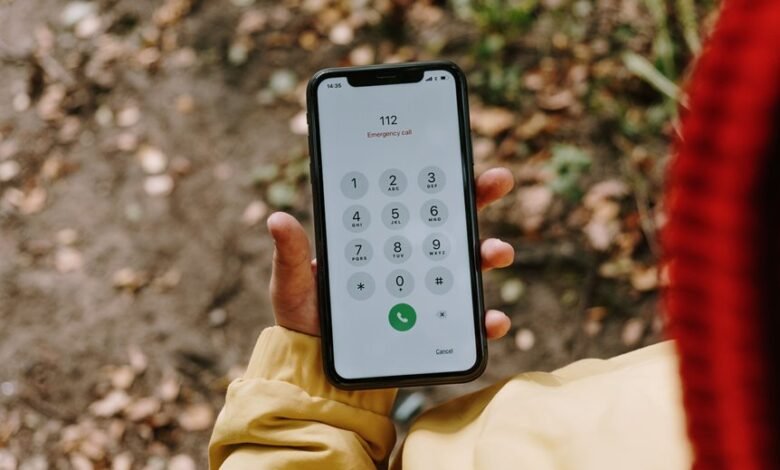
Phone identity records tie numeric identifiers to owners, usage histories, and device data. They reveal how individuals communicate, where they travel, and how services are accessed. Privacy, security, and consent concerns arise as metadata expands exposure beyond the user’s control. Balancing accountability with autonomy requires careful governance, minimal telemetry, and transparent practices. The discussion will consider practical strategies and potential trade-offs, inviting stakeholders to weigh risks and benefits as the topic unfolds.
What Are Phone Identity Records and Why They Matter
Phone identity records are compilations of data that connect a phone number to its registered owner or occupant, including the number’s usage history, device identifiers, and verified contact details.
They document access patterns and verification trails, supporting accountability and recovery processes.


This transparency helps assess Phone records and identity risks, guiding lawful, privacy-conscious decisions while respecting freedom of information and personal autonomy.
How Call and Text Metadata Shape Personal and Organizational Footprints
Call and text metadata provide a compact record of interaction patterns that extend beyond the content of messages or calls themselves. These traces shape personal and organizational footprints by revealing networks, rhythms, and dependencies. In this context, privacy ethics require careful consideration of data minimization to balance insight with autonomy, ensuring informational value without overreach or intrusion.
Security, Privacy, and Consent: Balancing Benefit With Risk
This balance hinges on evaluating security, privacy, and consent as concurrent, competing priorities within digital communication ecosystems. The analysis emphasizes privacy tradeoffs and consent mechanics as core design considerations, guiding systems toward transparent data handling, minimized exposure, and accountable controls. Although benefits arise from data resources, rigorous risk assessment ensures protections, proportional access, and user autonomy without compromising practical usefulness or innovation.
Practical Ways to Manage Your Phone Identity Footprint Today
Effective management of a phone identity footprint requires a structured approach to minimize data exposure while preserving essential functionality.
The article outlines practical steps: minimize app permissions, review privacy settings, disable unnecessary telemetry, and use aliasing where possible.
It acknowledges privacy tradeoffs and consent challenges, urging ongoing audits, clear disclosures, and user empowerment for freedom within compliant, cautious, auditable practices.
Frequently Asked Questions
Do Phone Identity Records Ever Get Erased by Carriers?
Phone identity records are not universally erased; carriers retain data under retention policies. This intersects with phone privacy and data retention, demanding cautious auditing. Freedom-minded audiences should demand transparency, periodic deletion when lawful, and robust privacy protections from providers.
Can Identity Records Be Used for Background Checks Legally?
Identity records can be used for background checks legally, but only within applicable laws and consent requirements. Privacy concerns and data retention policies govern how and how long such checks may be performed, audited for compliance and risk.
What Rights Do Individuals Have Over Phone Identity Data?
Individual rights over phone identity data include control over collection, access, and correction. The policy-conscious observer notes privacy policies and consent management shape lawful use, emphasizing transparency, user autonomy, and careful compliance to safeguard freedom.
How Do Hospitals or Insurers Handle Phone Metadata Securely?
Hospitals and insurers implement data minimization and strict access controls to protect phone metadata; audits and compliance measures ensure accountability, while enabling legitimate uses, fostering responsible data handling, and preserving patient autonomy within secure, privacy-respecting frameworks.
Are There Industry Standards for Anonymizing Phone Records?
Yes, there are industry standards for anonymizing phone records. Practices emphasize privacy governance and data minimization, ensuring de-identification, access controls, audit trails, and regular risk assessments to preserve security while enabling compliant analytics. Anachronistic touch: telegraph-era caution resonates today.
Conclusion
Phone identity records illuminate how numbers, usage, and devices thread into personal and organizational narratives. A cautious, audited stance emphasizes minimizing exposure while preserving essential functions. For example, a hypothetical healthcare provider could replace persistent identifiers with privacy-preserving aliases for outreach, enabling required communication without revealing exact numbers. Ongoing consent and transparent telemetry reduction should accompany any data sharing, with regular audits to ensure regulatory compliance and safeguard autonomy. Thorough governance thus balances utility with principled privacy protections.