Caller Identity Lookup: 800-528-4800, 9053904024, 3053511035, 915578390, 900906645, 61730628364, 770-557-3001, 8003234459, 8176872188 & 941-216-5128

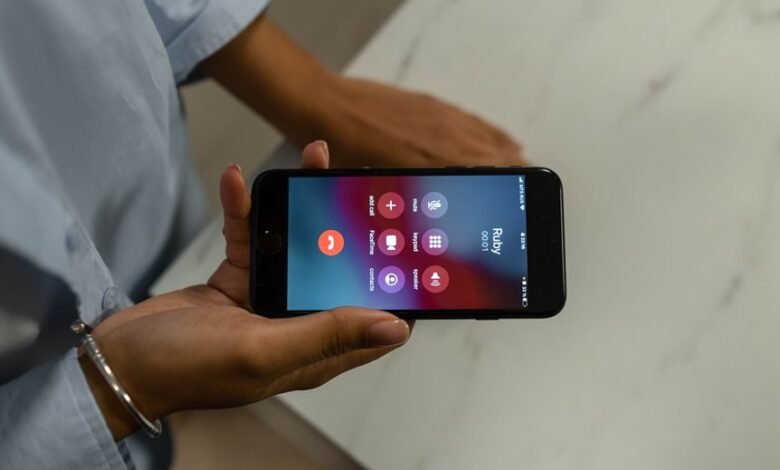
Caller identity lookup across a mix of numbers such as 800-528-4800, 9053904024, and others involves verifying caller data against carrier signals, account records, and public registries. The process is methodical, balancing accuracy with privacy safeguards. It highlights how trust is built, what data gaps exist, and where misidentification can occur. Although tools and protocols vary, the core aim is consistent: assess legitimacy while controlling exposure. The implications for risk assessment and accountability merit closer scrutiny.
What Is Caller Identity Lookup and Why It Matters
Caller identity lookup is a process that determines who is contacting an entity via a telephone number, leveraging caller ID data, account records, and network signals.
It yields structured insights on intent and legitimacy, enabling proactive responses.


The practice centers on system verification, risk assessment, and accountability, while emphasizing privacy safeguards to balance transparency with user autonomy and rights.
How Numbers Like 800-528-4800 and Friends Are Tracked
Numbers like 800-528-4800 are tracked through a combination of carrier signaling, database matching, and network-based telemetry. This method enables ongoing validation of caller identity while assessing signal provenance and timing. Researchers emphasize lookup safety, acknowledging potential data gaps and privacy trade-offs. The approach remains systematic, transparent, and auditable, prioritizing accuracy, accountability, and user autonomy in identity verification.
Practical Ways to Use Lookup Tools Safely and Effectively
Practical use of lookup tools hinges on disciplined procedures that maximize accuracy while safeguarding privacy. Thorough documentation of sources accompanies each inquiry, ensuring reproducibility. Call tracing and identity verification rely on verifiable signals, cross-checks, and minimal data exposure. Operators implement access controls, audit trails, and consent protocols, enabling responsible investigation while preserving user autonomy and trust in data integrity across diverse, freedom-oriented applications.
Pitfalls, Privacy, and Best Practices for Everyday Users
Pitfalls, privacy concerns, and best practices for everyday users emerge from the tension between accessible lookup tools and personal data protection; by identifying common missteps and implementing disciplined routines, non-expert users can minimize risk while maintaining usefulness.
The analysis emphasizes privacy preservation and data minimization, urging cautious sharing, selective disclosure, verifiable sources, and routine privacy audits to sustain freedom with responsible information use.
Frequently Asked Questions
Can Caller ID Be Spoofed, and How to Spot It?
Yes, caller ID can be spoofed; attackers fake numbers to mislead recipients. Spoofing risks require careful identity verification, cross-checking with trusted channels, and skepticism of unsolicited requests. Analytical methods reveal inconsistencies, call provenance, and behavioral cues.
How Accurate Are Lookup Results for Mobile Numbers?
About 60% of mobile lookups show uncertain accuracy, and results vary by carrier and region. The report notes that a nontrivial share remains unreliable, an unrelated topic yet offbeat question driving cautious interpretation for freedom-seeking users.
What Data Sources Do Lookup Tools Use?
Data sources for lookup tools include carrier databases, public records, social platforms, and user-contributed directories. Data privacy and consent requirements govern collection, storage, and sharing, with ongoing audits, anonymization, and compliance checks to minimize risk and leakage.
Are There Legal Limits to Reverse Lookup Usage?
Legal limits on reverse lookup vary by jurisdiction; they govern access, retention, and consent. A balance between privacy compliance and legitimate use is essential, emphasizing data minimization, auditability, and proportionality within regulatory frameworks.
How to Verify a Caller’s Identity Before Answering?
To verify caller identity before answering, organizations apply caller authentication and anti-spoofing techniques, ensuring verification of identity before answering with layered checks, risk assessment, and auditable logs for accountable, freedom-respecting communication practices.
Conclusion
Caller identity lookup combines data from caller IDs, signaling, and records to assess legitimacy. Taken together, these methods form a disciplined, auditable process with privacy safeguards. In a complex information landscape, lookup results act like a compass: not a guarantee, but a directional guide to risk and intent. When applied methodically, transparently, and with consent, this tool helps minimize exposure while enabling verification and accountability.