Caller Verification Records: 8007806451, 4694553203, (778) 612-1000, 8669289240, 5137076991, 312 728 3343, 8174588563, 866-521-2613, 6176829138 & 707-353-1378

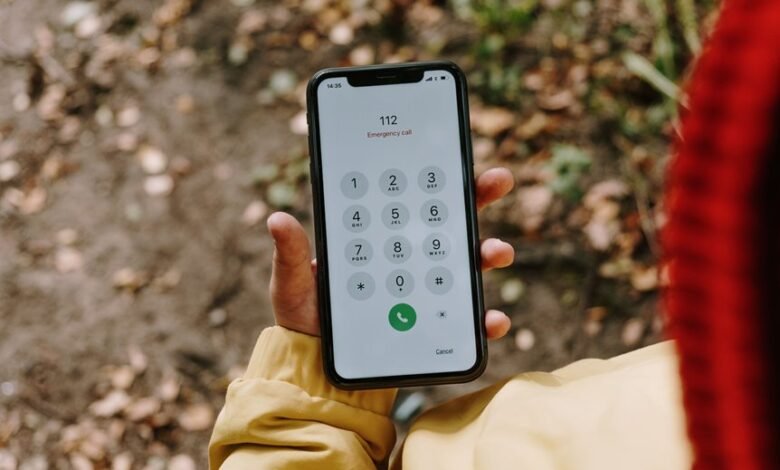
Caller Verification Records across multiple numbers are a growing governance concern. Organizations must establish centralized logging with unique identifiers and standardized metadata to support cross-line traceability and audit readiness. The approach requires layered authentication, risk-based controls, and regular reconciliations to minimize false positives while preserving user autonomy. Transparent governance and robust access controls are essential. The topic invites scrutiny of policy, tooling, and ongoing threat modeling, with consequences for compliance and operational resilience that warrant careful consideration.
What Is Caller Verification and Why It Matters
Caller verification is a process used to confirm a caller’s identity before disclosing information or granting access to services. It establishes baseline safeguards and informs policy decisions, ensuring responsible data handling.
This topic addresses caller verification concepts and the necessity of robust controls.


Verification record tracking supports accountability, auditability, and compliance, reducing risk while preserving user autonomy and freedom within regulated expectations.
How Verification Records Are Tracked Across Numbers
Across multiple numbers, verification records are gathered and organized to enable consistent oversight and auditability. The mechanism relies on centralized logging and unique identifiers to support Caller Verification and Records Tracking across lines, carriers, and platforms. Data integrity is maintained through structured metadata, periodical reconciliation, and access controls. Auditors assess lineage, retention, and compliance, minimizing fragmentation and enabling traceable verification without exposing sensitive caller content.
Best Practices to Verify Who’s Calling You
One effective approach to verifying who is calling involves layered authentication, corroborating caller identity across available data points, and applying strict risk criteria before disclosure. Call verification should emphasize minimal disruption while retaining accuracy, with procedures to flag potential False positives for review. Policy-driven controls balance user autonomy and safety, ensuring consistent verification standards across numbers and contexts, reducing ambiguity and unwanted disclosures.
Tools, Tech, and Myths Behind Call Authentication
Tools, Tech, and Myths Behind Call Authentication examine how modern verification systems leverage signal processing, cryptographic assurances, and carrier-grade signaling to establish caller legitimacy while acknowledging persistent misrepresentations and evolving threat vectors.
Caller verification frameworks emphasize standardized protocols and risk-based assessments, balancing user autonomy with network integrity.
Call authentication remains essential, yet practical deployment requires transparency, robust governance, and continuous threat modeling.
Frequently Asked Questions
How Often Should You Update Your Verification Records Across Lines?
Update cadence should be defined by data governance policy and risk assessment, with periodic reviews at least quarterly and after material changes; cross-line synchronization ensures consistency, auditable records, and compliance without compromising operational freedom.
Can Verification Records Be Faked by Spoofed Caller IDS?
Yes; verification records can be spoofed by fraudulent caller IDs. The policy stance recognizes verification spoofing as a risk, and data minimization guidance mandates limiting exposed data and reinforcing verification integrity to reduce misuse.
Do Carriers Share Caller Verification Data With Third Parties?
Yes, carriers generally restrict sharing: data sharing is limited by verification privacy policies and regulatory constraints; third-party access is typically conditional, consent-based, or shielded behind privacy safeguards, with risk-averse, policy-driven safeguards guiding freedom to disclose.
What Privacy Rights Affect Your Ability to Access Call Verification Data?
Like a locked door, privacy rights govern who may access call verification data. The answer lies in data access rules, statutory protections, and policy disclosures; individuals retain limited rights to request, review, and challenge disclosures under privacy laws.
Which Industries Require Stricter Verification for Outbound Calls?
Regulated sectors include finance and healthcare, where tighter verification is mandated; privacy policies and data governance frameworks require stronger outbound controls, reducing risk while preserving consumer rights and program integrity for all compliant industries.
Conclusion
A centralized ledger of caller verification records binds disparate numbers into a single, auditable thread. Each entry carries standardized metadata, unique identifiers, and evidence of layered authentication, reducing ambiguity and false positives. Regular reconciliations, governance oversight, and strict access controls fortify resilience, ensuring traceability without compromising user autonomy. In this disciplined cadence, risk is measured, compliance is reinforced, and the integrity of disclosures remains the constant drumbeat guiding responsible verification across multiple lines.