Telephone Caller Search: 8448668093, 5137254346, 7377074616, 602-235-0684, 663999489, 9198915835, 2132463439, 8014075254, 8337101022 & 908 588 9208

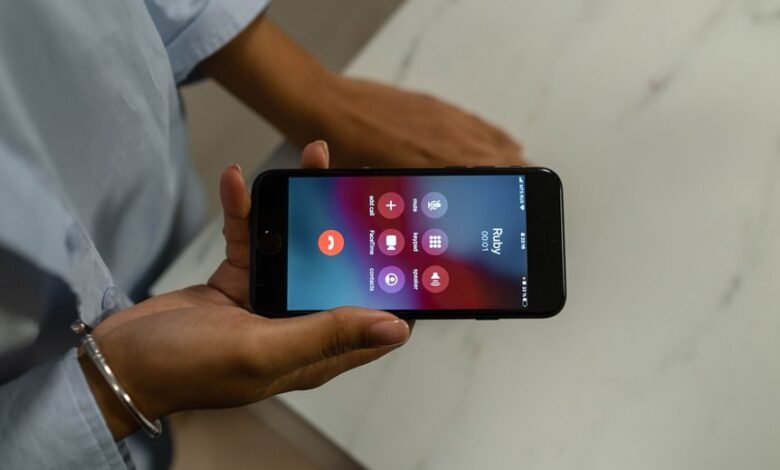
Telephone caller searches for numbers like 8448668093, 5137254346, and others raise questions about origin, ownership, and intent. A careful approach weighs public records, carrier data, and cross-referenced databases against privacy concerns. The method highlights red flags, validation tools, and practical protections to counter scams and spam. The discussion invites further scrutiny of how such inquiries shape security decisions, and what steps refine verification before any engagement. What next considerations emerge from these traces?
What Is Telephone Caller Search and Why It Matters
What is Telephone Caller Search and why does it matter? The concept centralizes inquiry into incoming calls, revealing patterns, origins, and intent without subscribing to fear. A curious, meticulous approach examines data points, correlations, and context. It acknowledges an unrelated topic alongside core insights, while recognizing a tangential idea may surface. Precision fuels autonomy, enabling informed choices about communication and privacy.
How to Trace a Phone Number’s Origin and Ownership
Tracing a phone number’s origin and ownership begins with a careful sift through publicly available records and carrier data, while recognizing that access levels and privacy protections shape what can be revealed.


Origin tracing notes geographic hints, carrier footprints, and registration details.
Number ownership emerges through sparse deregulated disclosures and user-initiated requests, demanding diligence, restraint, and respect for individual privacy.
Evaluate Legitimacy: Red Flags and Validation Tools
Evaluating legitimacy involves a careful scan for red flags and the application of validation tools to separate credible signals from deceptive ones.
The process emphasizes objective indicators such as source consistency, caller ID anomalies, and cross-referenced databases.
With curious rigor, it promotes security awareness and scam prevention, guiding readers to discern authenticity while maintaining freedom to investigate responsibly and verify before engagement.
Practical Protections: Staying Safe From Caller Scams and Spam
To translate the scrutiny of legitimacy into practical guardrails, this section outlines concrete steps to protect individuals from caller scams and spam.
The approach emphasizes call blocking as a proactive measure, enhances scam awareness through clear indicators, and shares privacy tips to minimize data exposure.
It sustains a curious, meticulous tone for readers seeking freedom and security without intrusion.
Frequently Asked Questions
Can I Reverse Search a Number From a Voicemail Legally?
Yes, it can be legally pursued in some jurisdictions, but legality depends on consent, purpose, and applicable wiretap and privacy laws. Outcomes vary, often requiring legitimate interest, disclosure, or opt-in terms to guide a reverse lookup. reverse lookup, voicemail legality
Do Telemarketers Have to Reveal Their Company Name?
“Curiosity killed the cat.” Telemarketers generally must reveal company name in many jurisdictions, yet exceptions exist. The discussion centers on Caller ID privacy and Telemarketer disclosures, emphasizing careful compliance and freedom-loving diligence rather than loopholes.
How Accurate Are Caller ID Spoofing Detection Methods?
Caller id spoofing detection methods vary in accuracy, but generally offer reasonable reliability for identifying suspicious calls; nonetheless limitations exist, raising privacy implications and prompting calls for stronger standards and transparent reporting to protect freedom and security.
Can I Block Numbers Without Sharing Personal Info?
A striking 60% of users report blocking unknown calls reduces stress immediately. The answer: can i block, numbers without sharing personal info is feasible; reverse search and voicemail legally support safer filtering, allowing controlled privacy without disclosure.
What Steps Protect My Privacy During a Search?
Privacy safeguards are pursued by limiting data exposure; searches minimize collected details, anonymize inputs, and log access. The seeker maintains control, scrutinizes sources, and values transparency, embracing data minimization to preserve personal autonomy and informed consent.
Conclusion
Conclusion: A disciplined approach to telephone caller search reveals patterns without exposing sensitive data. By tracing origins, verifying ownership, and weighing red flags, one builds a shield of awareness around uncertain calls. The process acts like a lighthouse, guiding through fog toward safety—illuminating legitimate contacts while signaling potential threats. With careful validation tools and proactive protections, individuals stay curious, cautious, and prepared, turning each unfamiliar number into a data point rather than a danger.