
Phone Contact Registry: 612-509-8635, 451404222, 704-206-4786, 3022812355, 251-520-3287, 9296953173, 8664872643, 2677423489, 6084534403 & 8664228552

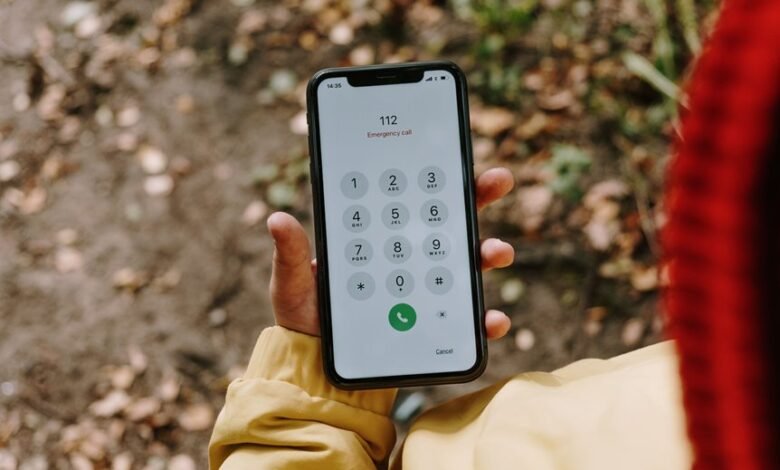
A phone contact registry aims to securely catalog verified numbers and bind entries to credible sources while enforcing consent, minimization, and auditability. Managed with clear access controls and limited retention, it requires transparent governance and user rights to view, correct, or delete data. Balancing convenience with privacy, the system must restrict disclosures to essential channels and maintain robust governance. The implications for everyday use and oversight raise questions worth considering as the discussion continues.
What Is a Phone Contact Registry and Why It Matters
A phone contact registry is a centralized system that stores and manages verified contact information for individuals or organizations, enabling reliable outreach and quick access when needed.
It is designed to support privacy practices and consent management, ensuring lawful use of data.


The registry emphasizes transparency, controlled access, and auditability, balancing efficiency with user autonomy and protective safeguards for personal communications.
How These Registries Are Built, Who Manages Them, and Common Data Practices
How are these registries constructed, and who oversees their operation and data handling? They are built through standardized data ingestion, verification, and secure storage, with governance frameworks guiding access, retention, and auditing.
Managed by designated custodians, entities implement supply-chain controls and risk management. Core practices emphasize data governance and identity verification to ensure accuracy, privacy, and compliance across participants and systems.
Protecting Your Numbers: Consent, Rights, and Practical Privacy Steps
The handling of phone contact data requires clear consent mechanisms, defined user rights, and practical steps to protect privacy within registries.
The article notes privacy risks and consent nuances, emphasizing transparent data collection, explicit opt-ins, and minimal retention.
Users retain control through access, correction, and deletion requests, with robust safeguards and auditability to sustain trust and lawful usage.
Navigating Convenience vs. Caution: Choosing When to Share and How to Stay Reachable
Balancing convenience and caution requires a deliberate assessment of when sharing contact information enhances communication versus when it risks unnecessary exposure.
The guidance emphasizes concrete consent and data minimization, encouraging individuals to limit disclosures to essential channels.
The focus remains on staying reachable without oversharing, adopting privacy-preserving practices, and refusing broad, nonessential distribution, thereby preserving freedom while safeguarding personal data.
Frequently Asked Questions
Can a Phone Contact Registry Impact Emergency Response Times?
Emergency routing may improve outcomes by prioritizing critical contacts and reducing delays; contact prioritization is essential, but safeguards ensure accuracy and privacy. A registry should enhance responsiveness while preserving autonomy, transparency, and user freedom within compliant guidelines.
How Accurate Are Entries Over Time and How Often Are They Updated?
Entries show moderate stability: about 80% remain valid after six months. Inaccuracy tracking notes gradual drift; update cadence typically quarterly, with adapters for urgent corrections. The system prioritizes precision, safety, and transparent, responsible data maintenance for users seeking freedom.
Do Registries Verify Users’ Identities Before Adding Numbers?
Identity verification varies by registry, but some perform minimal checks; others require robust processes. Privacy safeguards aim to protect data, yet limitations exist. Registries generally balance access with risk, emphasizing caution, transparency, and compliant practices for users seeking freedom.
Are There Costs or Subscriptions Associated With Using a Registry?
Costs vary by registry; some charge subscription models or per-use fees, while others are free with optional premium tiers. Cautious, compliant wording notes cost implications and subscription models, informing users seeking freedom to compare terms, transparency, and limits before enrollment.
What Legal Protections Exist if a Number Is Mislisted or Misused?
Legal protections include privacy laws and civil remedies for mislisting or misuse, with potential liability for data mishandling; safeguards emphasize privacy concerns and data retention limitations, while individuals may pursue corrections, notices, or damages under applicable regulations.
Conclusion
A phone contact registry should operate with strict governance, ensuring consent, minimization, and auditability while binding entries to verifiable sources. Access is transparently controlled, retention is limited, and individuals retain rights to view, correct, or delete their data. In practice, implementations balance convenience with privacy, disclosing only through essential channels. The goal remains cautious compliance and clear accountability, much like a well-regulated library ledger—save for the occasional anachronism: a dial-up modem, signaling thoughtful, deliberate connectivity over immediacy.