Unknown Caller Search: 5197418344, 9472221080, 6475989617, 424-307-8371, 8001237357, 7026802163, 833-311-0847, 9512683776, 18882254398 & 8183194000

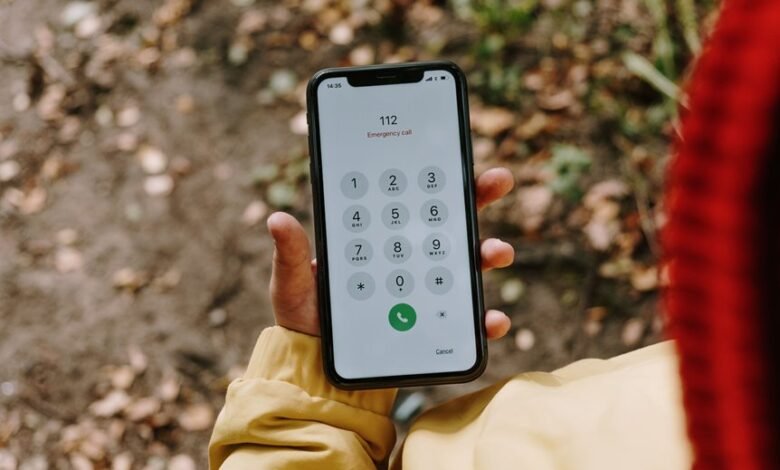
Unknown caller searches such as 5197418344, 9472221080, 6475989617, 424-307-8371, 8001237357, 7026802163, 833-311-0847, 9512683776, 18882254398, and 8183194000 reveal patterns in caller behavior and data exposure. The discussion focuses on red flags, verification gaps, and practical safeguards. Evidence-based steps can reduce risk without sacrificing access. The question remains: which signals are most reliable, and how should individuals balance screening with legitimate contact expectations?
What Unknown Caller Searches Reveal About Your Privacy
Unknown Caller searches illuminate several core privacy dynamics in modern communications. The inquiry reveals how traces of inquiry and metadata expose individuals to privacy implications, even when content remains protected.
Systematic analyses show that caller data protection practices, including minimization and controlled access, limit exposure. Yet gaps persist, requiring robust governance, transparent policies, and accountable interfaces to defend personal boundaries.


How to Identify Red Flags in Suspicious Numbers
Suspicious numbers can be evaluated systematically by examining common red flags that emerge across reports and datasets.
Consistent patterns include rapid-fire calling, mismatched regional codes, spoofed or invalid caller IDs, and requests for personal data.
Observers note privacy risks and rely on caller authentication signals, cross-referencing known scam clusters.
Methodical documentation supports informed caution and targeted blocking without compromising legitimate communications.
Steps to Verify Legitimacy Without Sacrificing Accessibility
To verify legitimacy without sacrificing accessibility, practitioners implement a structured, evidence-based approach that balances verification with uninterrupted communication.
Assessments prioritize transparency and rapid confirmation, leveraging verified databases and caller screening protocols.
Privacy risks are minimized through minimal data exposure and secure handling.
Processes emphasize reproducibility, documentation, and accountability, ensuring users maintain freedom to connect while legitimacy checks remain non-disruptive and proportionate.
Practical Tactics to Block Nuisance Calls and Reclaim Peace of Mind
Effective mitigation combines proven filtering strategies with user-centered controls to minimize interruptions while preserving essential communication.
Implement call-blocking apps, carrier features, and contact whitelists to reduce nuisance calls without silencing critical updates.
Adopt do-not-disturb schedules and transcription-based screening for legitimacy.
Acknowledge privacy risk and monitor caller data sharing practices to sustain autonomy and peace of mind.
Frequently Asked Questions
How Are Spoofed Numbers Detected in Caller Databases?
Spoofing detection relies on Caller databases comparing call metadata; traceability of owners is pursued through legal protections and corroborating records. Reporting methods exist; data collected include signal anomalies, routing paths, and carrier metadata for forensic analysis.
Can Unknown Numbers Be Traced to a Real Owner?
Unknown Caller tracing is sometimes possible, though not guaranteed; owner identity may be revealed through legal processes, carrier records, or cooperative disclosures. Spoofing detection remains essential, yet unknown numbers can resist straightforward attribution.
Do Telecommunication Laws Protect Against Nuisance Calls?
Yes, telecommunication laws offer protection against nuisance calls, though enforcement varies; entities may rely on privacy invasion and data retention provisions to deter abuse, while individuals pursue opt-out regimes and regulatory remedies.
Are There Cost-Free Ways to Report Harassing Numbers?
Yes, there are cost-free options for harassment reporting, including documenting calls, using spam filters, and filing complaints with consumer protection or telecom regulators; evidence-based methods emphasize spoofing detection and persistent reporting to deter harassment.
What Data Is Stored When Performing a Lookup?
Data storage varies by service, but typically includes call metadata, timestamps, and lookup results. Lookup mechanics rely on caller databases and spoof detection. Data retention depends on policy, with privacy safeguards and audit trails supporting accountability for freedom-minded users.
Conclusion
Unknown caller searches illuminate how data trails shape privacy risk: rapid-fire attempts, spoofed IDs, and mismatched area codes signal caution, while verified databases and transparent protocols offer clarity with limited exposure. The synthesis supports practical screening, Do-Not-Disturb scheduling, and whitelists, alongside vigilant data-sharing controls. Practically, notice patterns, verify legitimacy without unnecessary exposure, and maintain accessible yet accountable interfaces. In sum, a disciplined, evidence-based approach preserves peace of mind—like a knight wielding a modern shield in a dusty archive. Anachronism included.