
Caller Identity Verification Guide: 691921594, 918368806, 955121005, 662970192, 40808000, 868682255, 650322373, 910606653, 914476690 & 651762024

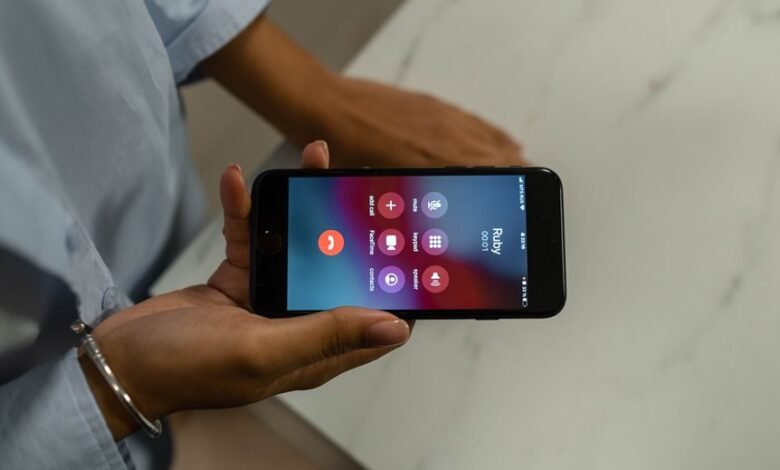
Caller identity verification is a disciplined process that combines data checks, authentication steps, and risk assessment across channels. The guide outlines quick, auditable methods with transparent safeguards for autonomy and privacy, plus documented workflows for agents. It emphasizes real-time balance between speed and accuracy to minimize risk while maintaining user trust. As operations scale, the approach invites scrutiny of fallback metrics and repeatable procedures that ensure accountability, leaving a clear path to improve through structured discussion.
What Is Caller Identity Verification and Why It Matters
Caller Identity Verification (CIV) refers to the process of confirming that a caller is who they claim to be, typically through a combination of data checks, authentication steps, and risk assessment. CIV reduces fraud, protects privacy, and enables trust. Real time Verification Practices balance speed with accuracy, supportingCaller Identity Verification and Privacy while maintaining user autonomy and compliance across channels.
Quick Baseline: Key Verifications You Should Always Do
A quick baseline of essential verifications establishes a clear, repeatable floor for CIV checks. This section outlines core steps: caller identity confirmed, verification methods cataloged, and practical tactics documented. Tools for verification streamline the process, while troubleshooting steps identify gaps and prompt corrective action. Failure diagnostics reveal anomalies, guiding consistent, auditable decision-making without compromising autonomy or freedom.


Practical Tactics and Tools for Everyday Verification
Practical tactics and tools for everyday verification emphasize a disciplined, repeatable workflow that any agent can follow. The approach centers on caller identity recognition, verification ethics, and documented authentication methods, ensuring accountability. A structured risk assessment accompanies each interaction, guiding decisions. Tools include identity prompts, audit trails, and second-factor prompts, maintaining consistency while preserving user autonomy and freedom of choice.
Troubleshooting and Next Steps When Verification Fails
In the event verification fails, a structured, immediate response is required to minimize risk and preserve trust. The team conducts a rapid triage: confirm data integrity, isolate affected calls, and log discrepancies. Next, initiate alternative checks using identity metrics, notify stakeholders, and prepare remediation steps. Two word discussion ideas: verification pitfalls, identity metrics. Review protocols to prevent recurrence and maintain operational freedom.
Frequently Asked Questions
How Do I Verify Caller Identity Across Multilingual Customers?
The approach uses multilingual screening tools and standardized identity screening checks, ensuring language-agnostic consistency while preserving privacy; it emphasizes secure, compliant workflows, reviewer training, and auditable records for trustworthy, scalable caller identity verification across diverse customers.
What Approval Workflows Exist for High-Risk Verifications?
Three percent of high-risk verifications trigger escalations, highlighting the stakes. The approach outlines approval workflows for high risk, ensuring multilingual verification and cross language clarity, while preserving autonomy; it remains precise, methodical, and aligned with user freedom.
Can I Automate Identity Checks Without Increasing False Positives?
Automated verification can reduce errors with False positive reduction strategies, while Multilingual verification and Anonymous caller verification enhance inclusion; Spoofed number detection safeguards integrity. High risk approvals rely on layered checks; Data retention privacy remains paramount, balancing trust and freedom.
What Privacy Regulations Govern Caller Data Retention?
Privacy regulation governs caller data retention policies, detailing data minimization, retention periods, and lawful basis. Verification workflows must document purposes, with high risk approvals for extended retention, audits, and secure deletion to protect individuals’ privacy.
How Do I Verify Identities for Anonymous or Spoofed Numbers?
Anonymous verification requires layered checks: automated identity checks paired with multilingual caller identity signals, while spoofed numbers handling relies on anomaly detection and high risk approval workflows; ensure caller data privacy, minimize false positives, and respect retention regulations.
Conclusion
Caller identity verification is a disciplined, auditable process balancing speed and accuracy across channels. Quick baseline checks and repeatable workflows empower agents to assess risk while safeguarding privacy. An anecdote: a single data mismatch triggered an automatic risk flag, leading to a safer call outcome without delaying a trusted customer. Data-driven metrics and clear safeguards underpin accountability, enabling transparent decisions and consistent audits. When verification fails, defined fallback paths preserve security and user trust.