Telephone Identity Check: 6044951143, 18337493721, 15164066864, 2178848983, 800-219-9042, 3616024031, 18669145806, 2014086390, 8155803008 & 737-245-6601

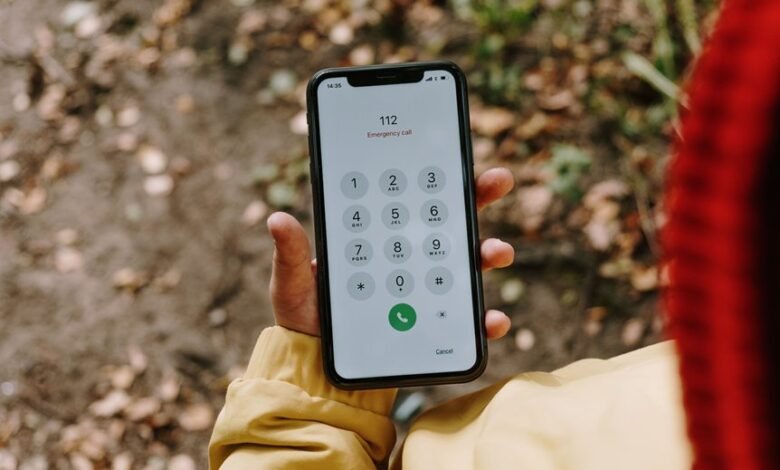
Telephone identity checks require careful sourcing and cross-verification of numbers such as 6044951143, 18337493721, 15164066864, 2178848983, 800-219-9042, 3616024031, 18669145806, 2014086390, 8155803008, and 737-245-6601. A disciplined approach uses independent records, provenance documentation, and auditable logs to assess consistency and privacy compliance. Skepticism is essential: do the digits align with registered owners and legitimate usage patterns? The implications for trust and accountability hinge on transparent, repeatable methods that minimize bias. Consider what steps to take next.
What a Telephone Identity Check Is and Why It Matters
A Telephone Identity Check is a process used to verify that a phone call originates from a legitimate source and that the caller’s claimed identity matches independent records.
The concept centers on evidence, consistency, and auditability.


A disciplined verification process enables caller authentication, supporting accountability.
It informs risk assessment, guiding prudent choices while guarding civil liberties and promoting transparent communication in sensitive encounters.
How to Verify Callers: Practical Steps You Can Take
To verify callers effectively, practitioners should follow a structured, evidence-based sequence that corroborates both the source and the claimed identity. Theoretic frameworks guide the logic, while ethical considerations constrain methods and disclosure.
Steps include independent verification of caller data, cross-checking with trusted records, and documenting provenance.
Skeptical appraisal reduces bias, promoting transparent, freedom-respecting assessments and reproducible outcomes.
Red Flags in Caller Numbers: Spotting Scams Fast
Red flags in caller numbers emerge quickly when scrutinized with a methodical lens: unfamiliar prefixes, mismatched area codes, or numbers that recur across multiple scam reports often indicate deception.
Red flags appear through pattern recognition, not guesswork, guiding identity check and verification steps.
Callers should document anomalies, compare against trusted lists, and apply disciplined scrutiny to protect personal information and freedom.
Best Practices for Secure, Confidence-Boosting Screening
Best practices for secure, confidence-boosting screening prioritize disciplined verification processes and measurable outcomes. Systematic validation reduces guesswork, relying on independent data sources and repeatable checks. Skeptical evaluation flags anomalies and enforces documented procedures. Security practices hinge on auditable logs and timely updates. Identity verification must be transparent, replicable, and compliant, granting freedom through accountable, nonintrusive screening that respects privacy while deterring fraud.
Frequently Asked Questions
How Accurate Are Telephone Identity Checks Across Providers?
The accuracy of verification varies by provider, though overall reliability remains mixed. Generally, details are accurate within known databases, but false positives occur. Data privacy concerns persist, demanding scrutiny of data handling and consent in verification processes.
Do International Numbers Affect Verification Results?
International numbers can affect verification results, though effects vary by provider. The method remains precise and skeptical; satire unsettles assumptions, yet outcomes depend on formatting, carrier policies, and cross-border metadata, challenging absolute accuracy for freedom-loving audiences.
Can Attackers Spoof Caller IDS Successfully?
Yes, attackers can spoof caller IDs successfully, though safeguards exist. Spoofing risks persist, revealing verification gaps that require layered defenses. A detached assessment notes practical freedom-minded users must demand robust, auditable identity checks and continuous risk monitoring.
What Laws Govern Phone-Number Screening in My Country?
In the given jurisdiction, data governance and privacy compliance shape phone-number screening laws, enabling strict use of caller data and disclosure safeguards; scrutiny ensures proportionality, consent where required, and accountability for firms handling sensitive telecommunication identifiers.
Which Data Sources Ethically Support Identity Verification?
Approximately 1.8% of online accounts suffer identity fraud annually. Data sources ethically supporting identity verification include publicly verifiable records, consented user-provided data, and privacy-respecting behavioral signals; data sources must prioritize transparency, minimization, and user autonomy.
Conclusion
A methodical, skeptical conclusion emphasizes disciplined verification practices rather than assumptions. By cross-checking caller-origin records, documenting provenance, and maintaining auditable logs, organizations build a transparent, repeatable process for assessing legitimacy. While no single number guarantees authenticity, consistent application of checks reduces risk and increases accountability. The result is a defensible, privacy-conscious screening framework—robust enough to withstand scrutiny and, some might say, almost unbelievably trustworthy in its rigor.