Telephone Identity Lookup: 9727930474, 418-650-4865, 817-984-2338, 6043421000, 2125013400, 5137253190, 8667880288, 9787756393, 1653604433 & 3852617186

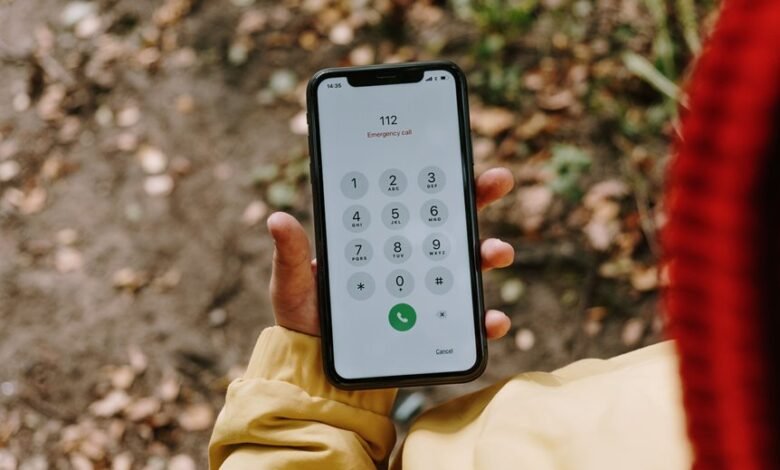
Telephone Identity Lookup focuses on verifying who owns or uses numbers such as 9727930474, 418-650-4865, 817-984-2338, 6043421000, 2125013400, 5137253190, 8667880288, 9787756393, 1653604433, and 3852617186. It emphasizes cautious, privacy-preserving checks against public directories and reputable databases, with documentation of any interactions. The aim is to distinguish legitimate inquiries from potential risks while respecting user autonomy, yet questions remain about how best to balance transparency with discretion as new techniques emerge.
What Is Telephone Identity Lookup and Why It Matters
Telephone Identity Lookup (TIL) refers to systems that verify or identify the owner or user behind a phone number.
TIL supports call verification and clarifies caller intent, aiding decision-making while preserving user autonomy.


The approach is cautious and compliant, emphasizing privacy and consent.
It offers practical insight for individuals seeking transparency without compromising freedom in communications.
How to Identify Credible Calls From Unknown Numbers
To identify credible calls from unknown numbers, individuals should adopt a disciplined verification process rather than reflexive trust. Assess caller legitimacy by cross-checking identifiers, listening for inconsistencies, and confirming through official channels. Maintain records of interactions and avoid sharing sensitive data.
Related but unrelated topic recall may surface; steer back to core facts. Off topic discussion should be avoided to preserve clarity and autonomy.
Tools and Tactics for Quick Caller Verification
A concise toolkit for rapid caller verification combines lightweight verification steps with reliable data sources, enabling individuals to assess legitimacy without disrupting ongoing conversations.
Practitioners emphasize structured checks: caller verification, cross-referenced numbers, and message consistency.
Quick credibility assessment relies on public directories and reputable databases, preserving privacy and autonomy.
Users maintain documentation of results, fostering informed decisions and responsible communication.
Protecting Your Privacy: Practical Steps for Safe Ringing and Reporting
Guarding privacy during phone interactions requires deliberate, practical steps to reduce exposure and risk. The piece outlines safe ringing and reporting practices, emphasizing minimization of data sharing and cautious contact initiation. It promotes privacy awareness and responsible use of disclosure, urging users to document interactions and verify caller identity through structured processes. Clear policies support informed, confident caller verification.
Frequently Asked Questions
Can I Verify Numbers in Bulk Without Apps?
Yes, but not without risk: bulk verification usually requires compliant tools or services; offline methods are limited. Ensure data licensing is respected, choose compliant sources, and document data provenance for lawful bulk verification.
Do Call Verification Tools Work on Landlines?
Yes, call verification tools can assess landlines, though their effectiveness varies. They should emphasize cautious use, aiming for reliable reverse lookup accuracy while respecting privacy and legal boundaries; users seek freedom within compliant verification practices.
How Accurate Are Reverse Lookup Results?
Reverse lookup accuracy varies; results may be imprecise due to data latency and source reliability. Users should consider dispute resolution and data governance implications, adopting cautious verification while preserving privacy and freedom to access legitimate information.
What Are Licensing Requirements for Consumer Data?
Like a tether snapping in wind, licensing requirements for consumer data demand strict licensing compliance and transparent data provenance, with safeguards, audits, and consent, balancing innovation and privacy for those who value freedom.
Can I Block Numbers After a Lookup Automatically?
Yes, it is possible. The system can implement blocking automation and bulk verification to automatically halt unwanted calls after a lookup, while maintaining compliance, transparency, and user control over preferences and exceptions.
Conclusion
In summary, telephone identity lookup provides a careful, low-risk way to sense legitimacy behind unfamiliar numbers. By cross-checking public records and reputable sources, one can form a prudent judgment without exposing sensitive details. The practice favors brief, documented interactions and clear reporting channels, avoiding assumptions. While certainty may be elusive, steady verification guides informed decisions. In quiet terms, cautious clarity whispers: verify, document, decide—minimizing intrusion while preserving trust and personal boundaries.